Smartphone Landscape Lens: 2026 Creator’s Guide
Your phone’s built-in ultra-wide lens might actually be the biggest obstacle between you and a gallery-worthy landscape. It feels natural to pinch-to-zoom out when you are standing before a breathtaking vista, but the digital distortion often ruins the moment. You have likely felt the frustration of blurry edges in your wide-angle shots or skies that look completely blown out in the midday sun. It is disappointing when the majestic scale of a sweeping natural panorama looks flat and amateur on your screen.
You can break through these hardware limitations and start producing professional results today. This guide teaches you how to master a high-quality smartphone lens for landscape photography to capture every detail with stunning clarity. You will learn to achieve edge-to-edge sharpness and gain total control over light and color using a lightweight kit that rivals traditional cameras. We will cover the latest 2026 optical trends, essential filter setups for the local climate, and the pro-level techniques that deliver DSLR-like results from the palm of your hand. Your journey toward cinematic mobile photography starts here.
Key Takeaways
- Stop settling for distorted, soft edges by understanding how high-quality external glass maximizes your phone’s sensor potential.
- Learn why the 16mm wide-angle is the ultimate smartphone lens for landscape photography to capture expansive, sharp vistas without fisheye artifacts.
- Master light management using ND filters and polarizers to eliminate blown-out skies and achieve professional motion blur in water and clouds.
- Assemble a high-performance, lightweight kit with magnetic mounts for rapid setup and efficient shooting in any environment.
- Elevate your creative results from amateur snapshots to professional mobile cinematography with tools and techniques tailored for 2026 flagship devices.
Why Your Built-In Phone Lens Struggles with Landscapes
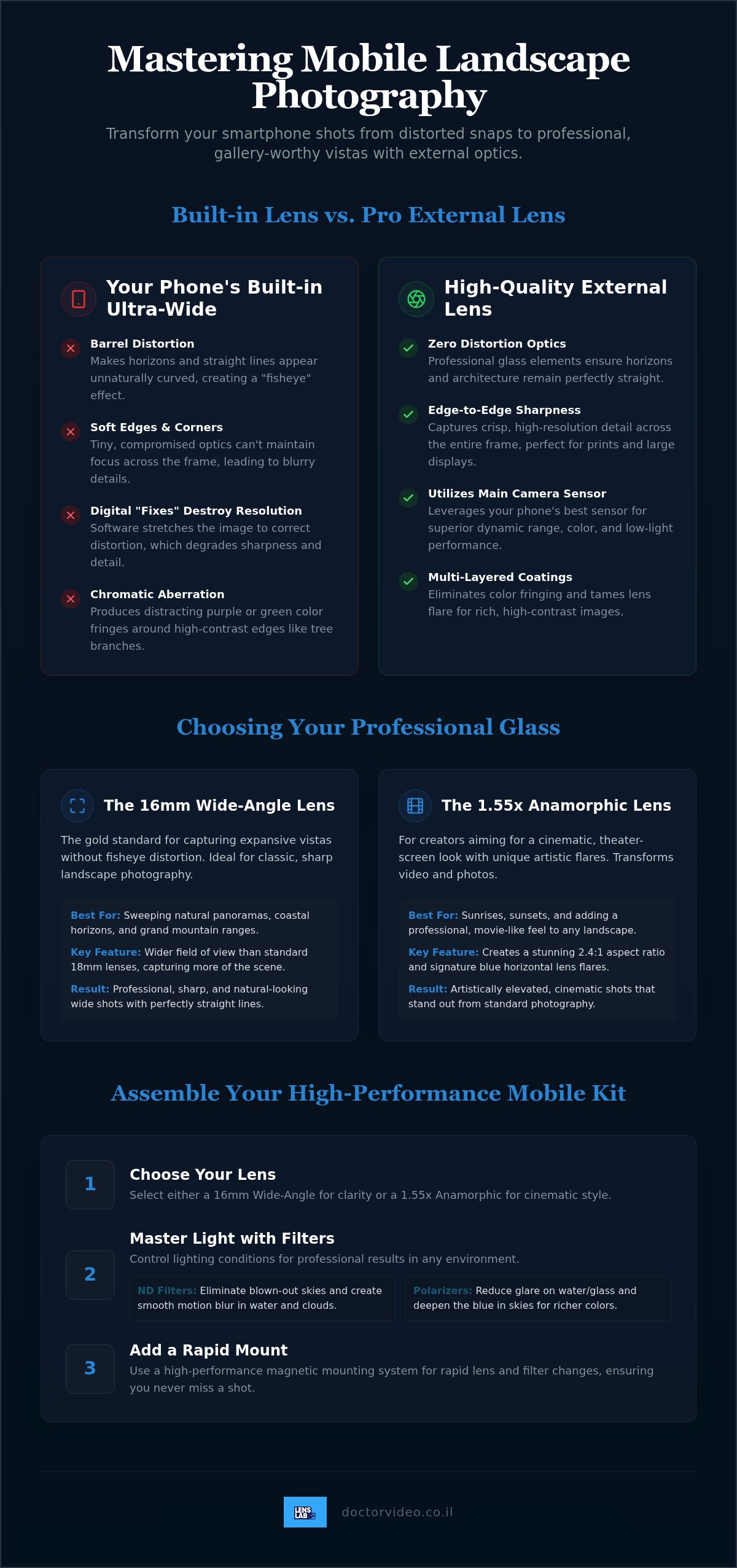
Your smartphone’s built-in “0.5x” lens is a technical compromise. It looks impressive on a small screen, but the quality falls apart when you view it on a larger display. Most creators realize too late that their wide shots suffer from soft corners and weirdly curved horizons. This happens because internal ultra-wide lenses use tiny sensors. They can’t gather enough light or maintain focus across the entire frame. You need better optics to capture the true scale of a scene.
The Problem with Built-in Ultra-Wide Optics
Native ultra-wide lenses suffer from barrel distortion. This effect makes straight lines, like a distant sea horizon or a mountain ridge, appear unnaturally curved. Your phone tries to fix this using digital processing. It stretches the edges of the image to make them look straight again. This software “fix” comes at a high price: it destroys resolution. You lose the crispness needed for professional landscape photography. Optical distortion is the primary enemy of sharp vistas.
Maximizing the Main Sensor Potential
The main camera sensor on your phone is its strongest asset. In 2026, flagship devices use sensors nearly one inch in size to capture incredible detail. The secondary ultra-wide sensor is much smaller and less capable. When you use a dedicated smartphone lens for landscape photography on your main sensor, you get the best of both worlds. You gain a wide field of view without sacrificing the main sensor’s superior dynamic range and low-light performance. This is vital when shooting high-contrast scenes like the Judean Desert at midday.
Using external glass ensures edge-to-edge sharpness. This is critical if you plan to print your photos or showcase them in high-resolution galleries. Many people believe built-in lenses are “good enough,” but that’s a trap. You can explore these smartphone camera add on lenses myths to understand why physical glass beats digital algorithms every time.
Professional external lenses also handle light more effectively. They use multi-layered coatings to stop chromatic aberration. This prevents those distracting purple or green fringes that appear around tree branches or bright clouds. High-quality glass also tames lens flare. Instead of a washed-out image, you get rich colors and deep contrast. Don’t rely on digital zoom or cropping. Cropping into an image simply enlarges pixels and introduces noise. A high-quality smartphone lens for landscape photography allows you to fill the frame with real data rather than digital artifacts. The same principle applies when shooting interiors — professionals using a smartphone lens for real estate photography rely on external optics to eliminate the curved walls and distorted lines that built-in lenses produce in tight spaces.
Choosing the Best Smartphone Lens for Landscape Photography
Selecting the right glass transforms your mobile device into a professional production tool. While many creators rely on what came in the box, serious artists know that external optics provide the edge-to-edge clarity required for high-end work. Even the best smartphones for landscape photography benefit from superior external glass that bypasses the technical limitations of secondary sensors. You need a lens that matches the resolution of your primary sensor while expanding your field of view.
The 16mm Wide Angle Lens Advantage
The 16mm Wide Angle Lens for Smartphones is the gold standard for expansive vistas. Many competitors focus on 18mm lenses, but the 16mm focal length provides a wider perspective without introducing the dreaded “fisheye” look. High-quality glass elements ensure zero-distortion. This means your mountain peaks and coastal horizons remain perfectly straight and natural. It is the ideal smartphone lens for landscape photography when you need to capture the sheer scale of the Dead Sea or the rolling hills of the Galilee. You get professional results without the weight of a heavy camera bag. For a deeper look at how to get the most from this focal length, our wide angle lens for phone 2026 guide walks you through achieving zero-distortion pro mobile shots.
Cinematic Landscapes with Anamorphic Glass
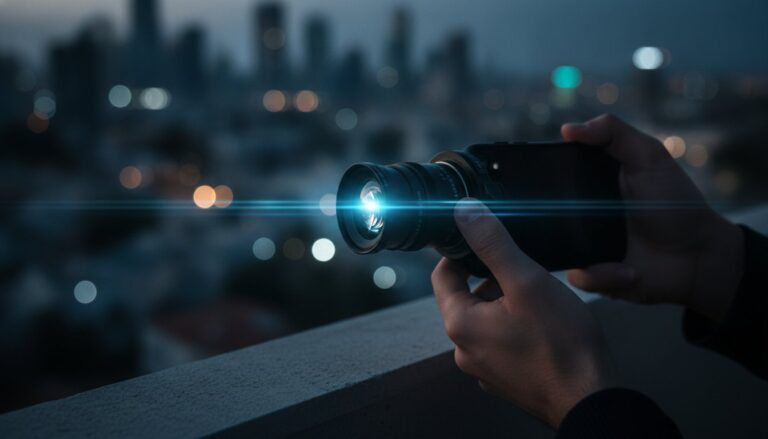
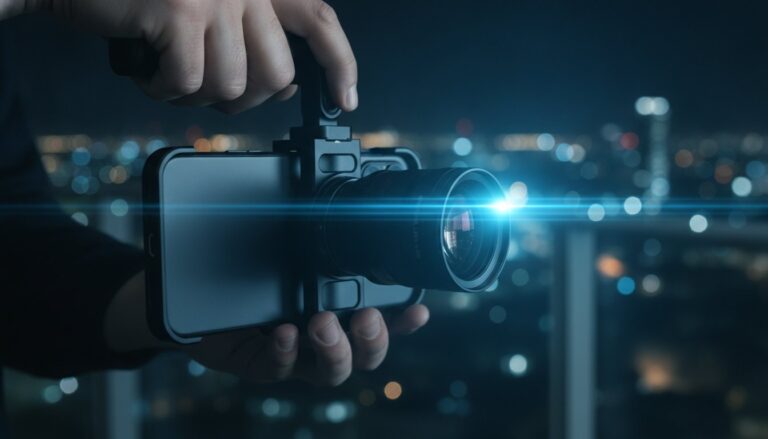
If you want your landscapes to look like they belong on a theater screen, choose anamorphic optics. The PRO 1.55X BLUE ANAMORPHIC LENS FOR SMARTPHONE captures a much wider field of view by squeezing the image onto the sensor. You then “desqueeze” it in post-production to achieve a stunning 2.4:1 cinematic aspect ratio. This lens adds a professional feel to every shot. It also produces signature blue horizontal flares when shooting into the sun. These flares add an artistic elevation to sunrise and sunset photography that standard lenses simply cannot replicate.
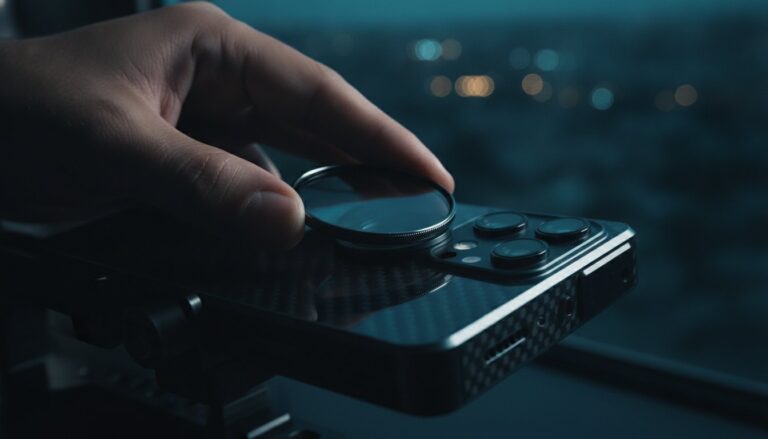
Build quality is non-negotiable for serious creators. Cheap plastic lenses cause chromatic aberration, which looks like ugly color fringing around high-contrast edges. Professional lenses use multi-coated glass to maximize light transmission and reduce flare. Ensure your chosen lens is compatible with your specific device. Modern flagship phones have large camera islands. Using a reliable mounting system like the JJC Magnetic Lens Filter Mount Adapter is essential for a secure fit and rapid setup in the field. You can find the right tools to upgrade your mobile photography kit and start capturing world-class vistas today.
Controlling Light: ND Filters and Polarizers for Vistas
Superior glass is only half of the equation for breathtaking vistas. Light management separates a basic snapshot from a professional production. High-contrast environments, like the midday sun over the Negev Desert, often lead to blown-out skies or muddy shadows. You need a way to physically manipulate the light before it hits your sensor. Using a high-quality smartphone lens for landscape photography alongside professional filters gives you total creative control. It allows you to balance the exposure and add motion to static scenes.
Mastering the 4-Pack ND Filter Set
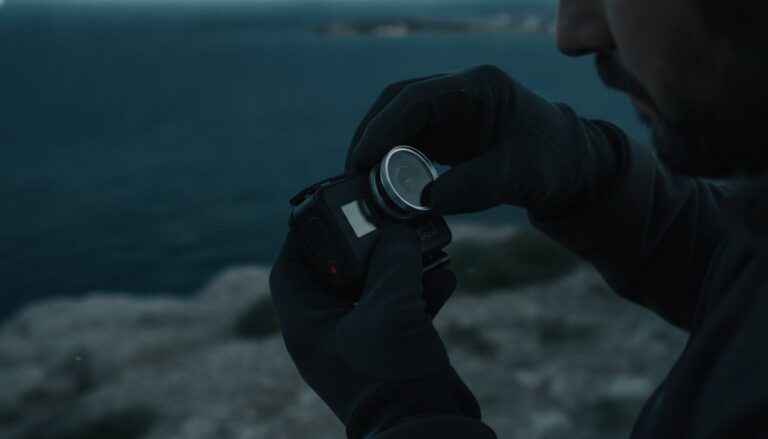
Neutral Density (ND) filters are essential for any serious mobile creator. Think of them as sunglasses for your camera sensor. They reduce the amount of light entering the lens without changing the color of the scene. The 4-Pack ND Filter Set provides different strengths, typically ranging from ND8 to ND64. This variety allows you to adapt to any lighting condition instantly. Use a higher strength like ND64 to slow down your shutter speed in bright daylight. This technique is how you achieve silky smooth waterfalls at the Banias Nature Reserve or create streaky, cinematic clouds. You aren’t just taking a photo; you are capturing the passage of time.
Speed and Precision with Magnetic Mounts
The best light doesn’t wait for you to fumble with gear. The “Golden Hour” lasts only minutes, and every second counts. Traditional screw-on filters are often too slow and frustrating in the field. The JJC Magnetic Lens Filter Mount Adapter for iPhone solves this problem completely. It allows you to snap filters on and off in less than a second. This rapid setup ensures you never miss the perfect light as the sun dips below the horizon. Magnetic systems also provide a superior seal compared to clip-on alternatives. They sit flush against your smartphone lens for landscape photography, which prevents light leaks that can ruin your contrast and clarity.
Combining these tools creates a powerhouse mobile kit. Pair your 16mm Wide Angle Lens with an ND16 filter to capture the Mediterranean coast with perfectly balanced tones. The wide glass provides the expansive perspective, while the filter manages the harsh reflections off the water. This combination delivers the professional-grade dynamic range that was once reserved for heavy DSLR setups. You gain the freedom to shoot in any weather or lighting condition while keeping your kit lightweight and portable. Stop letting the sun dictate your results and start using professional optics to tell your story.
How to Assemble Your Mobile Landscape Photography Kit
Building a professional mobile studio requires more than just a single piece of glass. You need a cohesive system where every component works together to overcome environmental challenges. Whether you are trekking through the craters of the Negev or capturing the urban skyline of Tel Aviv, your kit must be portable and powerful. A well-organized setup ensures you spend more time creating and less time troubleshooting gear in the field. Success starts with a strategic assembly of your tools.
The Essential Landscape Checklist
You can find a detailed breakdown of the necessary gear in our iPhone photography kit for travel guide. For landscapes, your core optics should include the 16mm Wide Angle Lens for expansive views and the ND Filter Set for light management. Don’t underestimate the importance of clarity; always carry Lens Cleaning Spray. A single fingerprint on your smartphone lens for landscape photography can turn a sharp vista into a hazy mess. Keep your optics pristine to maintain the high resolution your sensor provides.
Setting Up the Shot
Precision matters when attaching your gear. Align your external glass perfectly with the center of your phone’s primary sensor to avoid soft edges. If you see black corners in your preview, you are experiencing vignetting. Adjust the mount slightly or zoom in 1.1x to clear the frame. Use a sturdy tripod whenever you apply an ND filter for long exposures. This prevents camera shake and ensures those moving clouds look like painted strokes. A high-quality smartphone lens for landscape photography deserves a professional mounting system to stay secure during long shoots.
- Select your lens: Choose 16mm for maximum detail or Anamorphic for a cinematic 2.4:1 look.
- Evaluate the light: Use an ND64 for bright Israeli midday sun or an ND8 for softer evening light.
- Lock the mount: Ensure your magnetic or clip-on system is tight before moving between locations.
- Clean the optics: Spray and wipe before every major sequence to maintain professional standards.
Maintenance is the final step in a professional workflow. Salt spray from the Mediterranean coast or dust from the Golan Heights can damage your coatings over time. Develop a habit of cleaning your lenses after every outdoor session. This proactive care ensures your equipment delivers DSLR-like results for years to come. Ready to build your professional rig? Explore the full range of landscape optics and accessories at the LensLab store and start your creative journey today.
Elevate Your Creative Results with LensLab
Professional results don’t require years of technical training. They require the right tools. LensLab positions itself as your creative partner in mobile optics. We bridge the gap between amateur snapshots and cinematic production. Creators trust our gear because it meets the high standards of 2026 flagship technology. When you choose a LensLab smartphone lens for landscape photography, you are investing in clarity and technical reliability. You gain the power to capture the world with professional authority.
Creative inspiration doesn’t follow a schedule. That is why we offer 24/7 support and expert guidance for every creator. Our team helps you select the perfect setup for your specific device and artistic goals. Whether you are a beginner or a seasoned pro, we provide the technical backing you need. You can move forward with confidence knowing that expert help is always a message away. This support ensures you get the most out of your investment from day one.
Planning your next big trip? Our fast worldwide shipping ensures your gear arrives before you head to the airport. We serve creators in over 20 countries with efficiency and speed. Building a complete kit is a smart move for serious artists. We offer bundle deals to help you save while you assemble a professional rig. You can secure your 16mm glass, filter sets, and mounts in one package. This approach provides maximum value and ensures every component in your kit is fully compatible. The same versatile optics that excel outdoors are equally powerful indoors — our smartphone lens for real estate photography guide shows how these tools help agents capture spacious interiors and crisp architectural details that sell properties faster.
Pro-Grade Optics for Serious Creators
The quality of your glass determines the quality of your story. LensLab optics are designed to maximize every pixel on your phone’s primary sensor. Stop taking simple snapshots that get lost in your camera roll. Start making photographs that demand attention and evoke emotion. Our multi-coated glass elements eliminate the digital artifacts that plague built-in lenses. You get the edge-to-edge sharpness and rich color depth once reserved for heavy DSLR rigs. It is about having the “can-do” spirit to capture the world exactly as you see it.
Join the Global Creator Community
You are part of a growing movement of digital-first storytellers. LensLab is proud to support creators across the globe who value both quality and portability. Our gear is built to withstand the rigors of travel and outdoor shooting. From the humid Mediterranean coasts to the dry desert highlands, our lenses perform consistently. We invite you to share your landscape results with our community. Use our professional smartphone lens for landscape photography to show the world your unique perspective. Your creative journey has no limits when you have the right partner by your side.
Capture the Horizon with Professional Clarity
You’ve got the knowledge to move beyond basic snapshots and start creating gallery-worthy art. High-quality optics eliminate the digital artifacts and soft edges that ruin built-in ultra-wide shots. You now understand how to manipulate light using ND filters to achieve cinematic motion in clouds and water. Assembling a professional smartphone lens for landscape photography kit is the final step in your creative transformation. It’s about choosing tools that match your artistic ambition and the technical power of 2026 flagship devices.
LensLab provides pro-level multi-coated glass designed to maximize every pixel of your sensor. We support your journey with 24/7 Creator support and fast worldwide shipping to ensure you’re ready for any environment. Whether you’re shooting the rolling hills of the Galilee or the rugged craters of the south, your gear will deliver DSLR-like results. Stop letting hardware limitations dictate your creative output and take control of your visual storytelling today.
Upgrade your mobile kit with pro-grade landscape lenses at LensLab
The world is waiting for your unique perspective. Go out and capture it with confidence.
Frequently Asked Questions
Can I use a smartphone lens for landscape photography on any phone?
Yes, most professional lenses are designed for universal compatibility across flagship devices. They typically use high-quality clips or specific systems like the JJC Magnetic Lens Filter Mount Adapter for iPhone. You just need to ensure the external glass aligns perfectly with your phone’s primary camera sensor. A smartphone lens for landscape photography works effectively on the latest 2026 models from Apple, Samsung, and Google to deliver professional results.
Is a 16mm wide-angle lens better than the built-in ultra-wide camera?
Yes, because it allows you to utilize your phone’s superior primary sensor for wide shots. Built-in ultra-wide cameras often use smaller sensors that produce soft edges and struggle in low light. Attaching a 16mm Wide Angle Lens to your main sensor maintains much higher resolution and better dynamic range. This combination provides the edge-to-edge clarity required for large-scale prints and high-resolution digital displays.
How do ND filters help with landscape photos on a smartphone?
ND filters act as sunglasses for your camera sensor by reducing the amount of light that enters. This allows you to use slower shutter speeds without overexposing your image in the bright Israeli midday sun. You can achieve professional effects like silky smooth waterfalls or streaky cloud movement that software can’t perfectly replicate. Use a 4-Pack ND Filter Set to adapt to changing light conditions throughout the day.
Do external lenses for smartphones cause blurriness at the edges?
High-quality glass lenses are specifically engineered to minimize edge distortion and blur. While cheap plastic alternatives often suffer from soft corners, professional multi-coated glass ensures sharp results across the entire frame. Proper alignment is also critical for maintaining clarity. Always double-check your mounting system to ensure the external lens is centered perfectly over your phone’s primary optics before you start your shoot.
What is the best lens for capturing cinematic landscape videos?
The PRO 1.55X BLUE ANAMORPHIC LENS FOR SMARTPHONE is the ultimate tool for cinematic landscape videography. It captures an ultra-wide 2.4:1 aspect ratio that mimics the look of a professional movie theater screen. This lens also produces signature blue horizontal flares when you shoot toward a light source like a sunrise. It adds an artistic elevation to your footage that standard wide-angle lenses simply cannot provide.
How do I attach a landscape lens to my iPhone or Android device?
Most professional lenses attach via a dedicated mounting plate or a high-tension clip. For iPhone users, the JJC Magnetic Lens Filter Mount Adapter offers a fast and secure connection that snaps directly onto your device. For Android users, universal mounting systems provide a firm grip that centers the lens over your primary sensor. Ensure the external glass sits flush against your phone’s camera island to prevent light leaks and focus issues.
Is it worth buying a smartphone lens if my phone has 3 cameras?
It is absolutely worth it because a smartphone lens for landscape photography utilizes your best sensor. While your phone has multiple cameras, the secondary sensors for ultra-wide shots are usually much smaller and less capable than the main one. Attaching external glass to your primary camera gives you a wide field of view with the highest possible resolution. You bypass internal hardware limitations to achieve professional-grade results every time.
How do I clean my smartphone lenses while out on a hike?
Always carry a dedicated Lens Cleaning Spray and a fresh microfiber cloth in your gear bag. Dust from the trail or fingerprints can significantly degrade your image quality and cause unwanted flares. Spray a small amount of solution onto the cloth rather than directly onto the glass. Gently wipe the lens in a circular motion to remove smudges without damaging the professional multi-coated surface. Keeping your optics pristine is vital for clarity.