
Skateboard and BMX Filming with a Phone Fisheye
Skate filming with a phone fisheye comes down to proximity and control: get the lens close to the board or bike while matching the rider’s speed, keep the phone low and level, and let the fisheye make the trick feel bigger than life. A steady grip, a clear plan with the rider, and the right frame rate turn a phone into a legit skate and BMX filming rig.
Why fisheye is the skate filmer’s lens
Skate and BMX videos have used fisheye lenses for decades because they solve real problems. You can be within arm’s length of the rider and still fit the whole body, the obstacle and the landing. Close proximity exaggerates height and speed. And the wide view hides a lot of hand shake. The look is so iconic that viewers immediately read fisheye footage as “skate.”
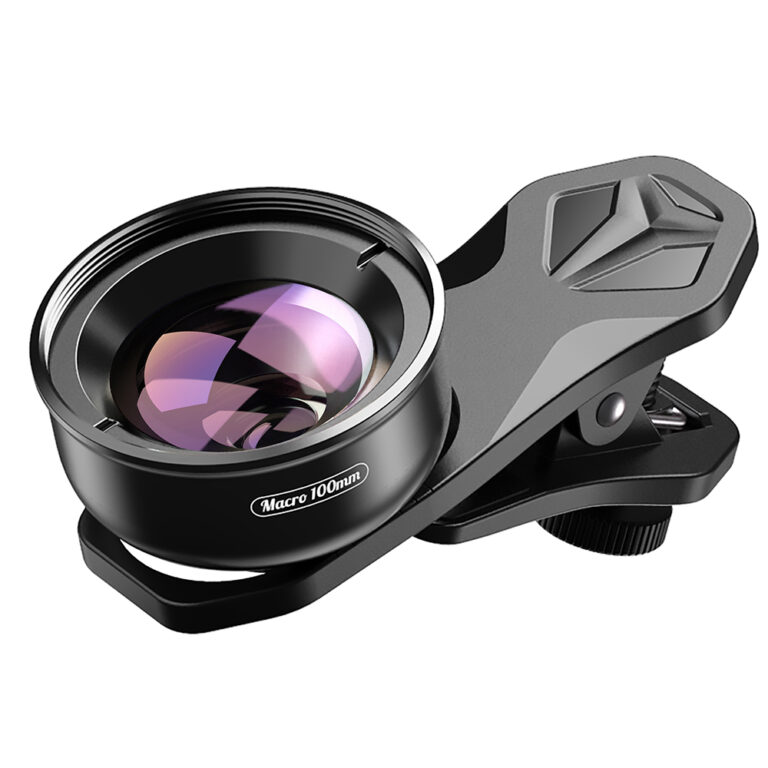
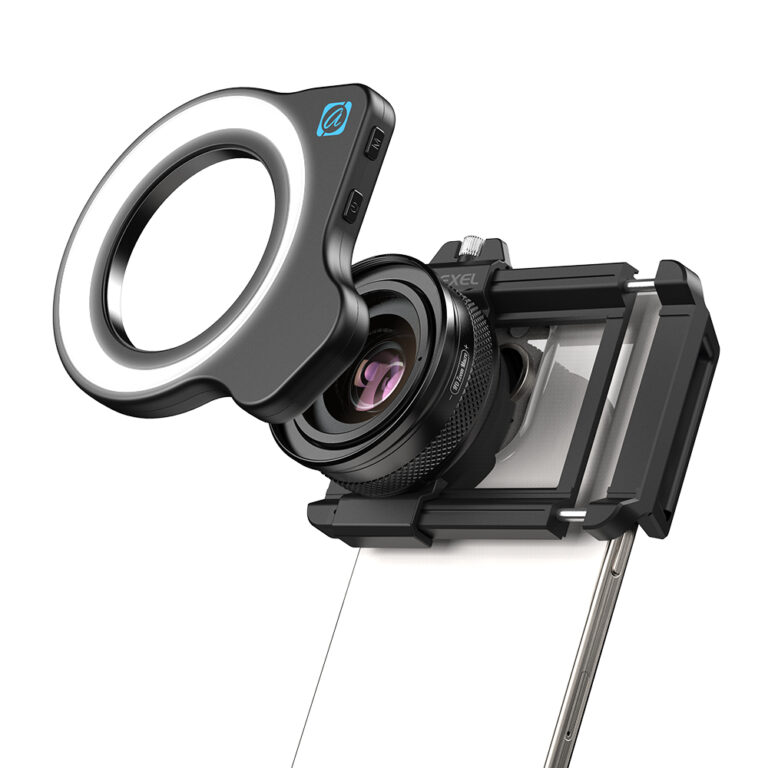
A clip-on professional fisheye lens on the phone’s main camera delivers the classic curved look. For a wide view with less bending, a 7.5mm super wide lens gives you a cleaner, more modern ultra-wide alternative for lines where you want the spot to look straighter.
Set up your phone
- Lock the main camera. Turn off automatic lens switching so the phone doesn’t jump to another module mid-line.
- Frame rate: 60 fps gives smooth motion and lets you slow tricks down to about half speed on a 30 fps timeline. If your phone offers 120 fps at good quality, use it for slow-motion hammers.
- Resolution: 4K if your phone handles it at your chosen frame rate; otherwise 1080p at higher frame rates.
- Exposure lock: lock exposure on the concrete or the rider so the image doesn’t pump between shadow and sun.
- Stabilization: standard stabilization is usually helpful. The strongest “action” modes may crop the image and reduce the fisheye effect, so test both.
- Secure the phone. Use a grip, a handle or a cage, plus a wrist strap. Skate spots are hard on dropped phones.
How to hold a phone for fisheye filming
Skate filmers traditionally hold the camera low, below the waist, with arms slightly bent to absorb bumps. With a phone, a small handle or grip gives you the same control. Keep the phone level: tilting changes how the fisheye bends the horizon, and a level horizon through the middle keeps spots looking natural even when edges curve.
Lead with the lens. Your arm should move smoothly through the trick so the camera “flows” with the rider rather than snapping around.
Classic fisheye angles
The follow line
The filmer skates or rides behind or beside the rider, phone low and close to the board. Match their speed so the rider stays roughly the same size in the frame. This is the bread and butter of street filming.
The lead line
The filmer rides ahead, filming backward toward the rider approaching. It’s harder and needs a clear path, but it captures faces and the approach.
The static close-up
For tricks on a ledge, rail or box, stand still near the obstacle and get the lens close to where the board or pegs make contact. The rider pops toward the camera and lands past it. Keep a safe distance from the landing zone.
The low ground angle
Crouch with the phone almost on the ground at the base of a ramp, stairs or gap. Tricks tower above the lens.
The bowl pan
From the deck or coping, follow the rider’s carve around the bowl with a smooth pan. Fisheye curvature makes the bowl look deeper.
Filming BMX vs skate
- BMX is faster. Followers on a skateboard may not keep up, so many BMX filmers ride a bike themselves or use static angles.
- More height. BMX airs go higher, so frame with more space above, or crouch lower.
- Pegs and wheels. Watch your hands: pegs, pedals and wheels come close to the lens on grinds.
Communication and safety
- Talk through the line before filming: where the rider starts, where they land, where you’ll be.
- Never stand in a landing zone or the run-out of a trick.
- Filmers on boards should wear protective gear; you’re watching the screen, not the ground.
- Scan for pedestrians and traffic, especially in street spots.
- Keep sessions short in hot weather; phones can overheat recording high frame rate 4K in the sun.
Shutter speed and the look
For crisp, freeze-frame tricks that read well in slow motion and thumbnails, a faster shutter is fine. For smoother, filmic motion, you can follow the 180-degree rule (1/120 at 60 fps), which usually requires an ND filter in sunlight. Many skate filmers prefer the crisp look, so this is a style choice rather than a rule.
Editing your clips
- Trim each clip to just before the push and just after the roll-away.
- Use slow motion sparingly, on the biggest moments.
- Keep audio: wheel roar, pops and landings are half the vibe.
- Cut to music, with the biggest trick last.
- For vertical platforms, keep the board centered so the 9:16 crop doesn’t lose the trick.
For more on stability and color, see our guide to making phone videos look professional.
Quick checklist
- Fisheye on the main camera, module locked
- 60 or 120 fps, exposure locked
- Grip, handle or cage plus wrist strap
- Phone low, level and close to the board or bike
- Line planned with the rider
- Out of landing zones, protective gear on
- Clean lens before every session
- Keep the trick sound in the edit
FAQ
How close should I get with a fisheye?
Very close: often within a meter of the board for follow lines, and closer for static ledge shots, as long as you’re safely out of the trick’s path.
Do I need a gimbal for skate filming?
No. Many skate filmers prefer handheld with a grip; it feels more authentic. A gimbal helps smooth long follow lines.
Fisheye or super wide for skate videos?
Fisheye for the classic curved look and maximum proximity; super wide for straighter lines and a more modern style.
What frame rate should I use?
60 fps is a good all-rounder. Use 120 fps for slow-motion clips if quality holds up on your phone.
Film your crew like a classic skate part.
Use the fisheye for that 90s energy and the 7.5mm super wide for clean lines, and pair them with a third lens through the Mix & Match – any 3 for $129 bundle. Free worldwide shipping across the shop.