Product Photography with Phone Macro Lens: The 2026 Creator’s Reference
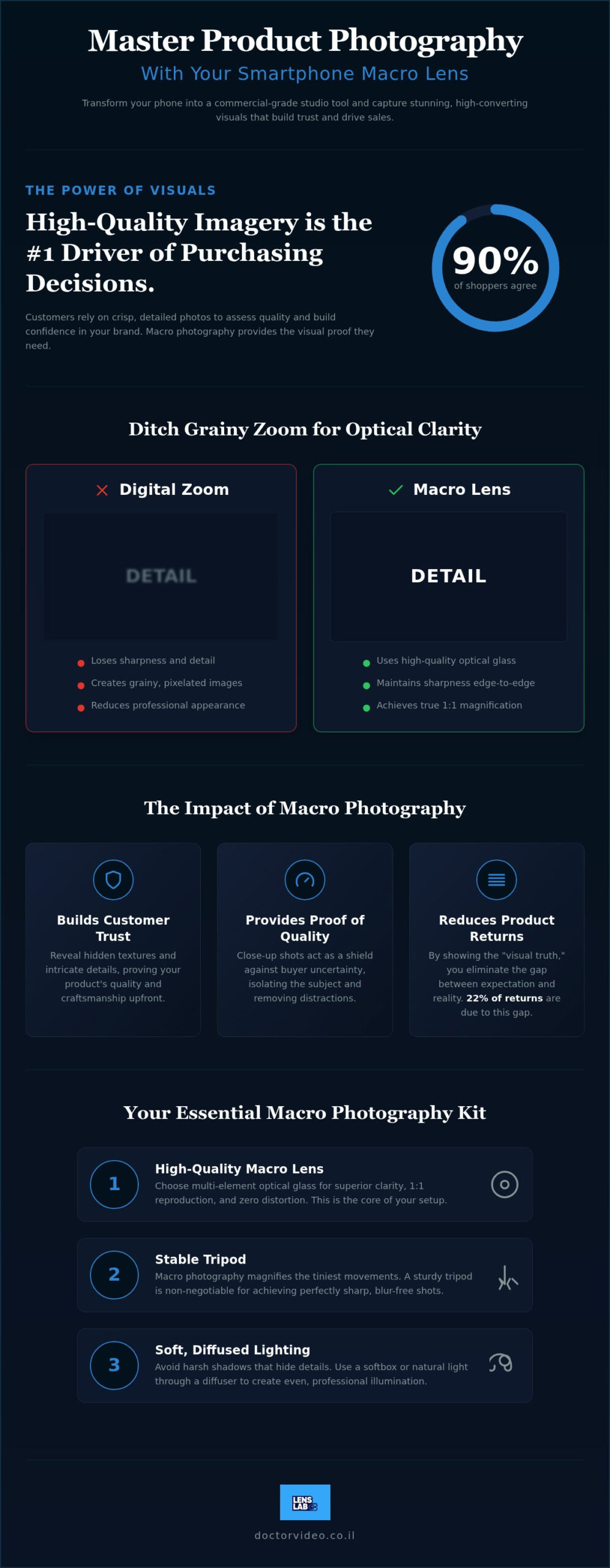
Over 90% of online shoppers report that high-quality imagery is the primary driver behind their purchasing decisions. You understand that your brand’s visual identity is its most valuable asset. It’s frustrating when you try to capture the fine details of your work only to end up with blurry shots or grainy digital zoom. You want that professional edge, but a complex camera setup isn’t always practical for a fast-paced creator.
You can master professional product photography with phone macro lens attachments to produce stunning, commercial-grade results. This reference will teach you how to achieve crisp 1:1 magnification and perfect lighting for your smallest items. We’ll show you how to transform your smartphone into a high-performance studio tool that rivals traditional gear. You’re going to learn the exact techniques needed to create a professional-looking social media feed that builds trust and increases your sales. From choosing the right optics to mastering light, we’re covering the essential steps to elevate your creative output in 2026.
Key Takeaways
- Reveal hidden textures and intricate details that build immediate trust and sensory connection with your customers.
- Ditch grainy digital zoom for high-quality optical glass to ensure every pixel of your product remains sharp and professional.
- Master product photography with phone macro lens techniques by pairing your gear with a stable tripod and soft, diffused lighting.
- Achieve a professional 1:1 reproduction ratio using 10X magnification to showcase the true craftsmanship of your products.
- Transform your mobile device into a commercial-grade studio tool that delivers high-converting visuals for your social media feed.
Why Macro Lenses are Essential for High-Converting Product Photography
Visuals drive sales. Data from June 2026 shows that 90% of online shoppers view photo quality as the most critical factor in their buying decisions. You need more than just a clear picture. You need a sensory experience. Mastering product photography with phone macro lens attachments allows you to reveal textures that are invisible to the naked eye. This creates an immediate connection. Your customers can almost feel the grain of the wood or the weave of the fabric. It transforms a flat image into a tactile journey that builds desire.
High-detail shots act as a shield against buyer uncertainty. When selling intricate items like jewelry or electronics, clarity is your best salesperson. A foundational understanding macro photography shows that magnification brings the viewer closer than they could ever get in person. This transparency establishes brand authority. It proves you have nothing to hide. Clean, sharp close-ups are now the gold standard on platforms like Etsy, Amazon, and Instagram. If your competitors are using blurry zoom shots, you’ll instantly stand out as the professional choice.
The Psychology of the Close-Up
Detail shots provide “proof of quality.” They trigger a tactile response in the viewer’s brain. When a customer sees the precise engraving on a ring or the fine stitching on a leather wallet, they perceive higher value. Macro views also solve a practical problem. They isolate the subject. By focusing on a tiny detail, you naturally remove background distractions. This makes your images look intentional and professional. It’s a simple way to elevate your brand from amateur to premium. You aren’t just selling a product; you’re selling craftsmanship.
Macro vs. Standard Product Shots
Standard shots are for context. They show the size, shape, and how the item fits into a lifestyle. Macro shots are for the “wow” factor. You need both to close the deal. A complete product listing should always include a mix of perspectives to answer every possible customer question. Use your macro lens to highlight specific features like material quality, unique markings, or technical components. Research indicates that 22% of product returns happen because the item looks different in person. Macro photography eliminates this gap. It provides the visual truth that builds long-term customer loyalty and reduces the cost of returns.
Apexel Macro Lens for iPhone: Technical Breakdown and Performance
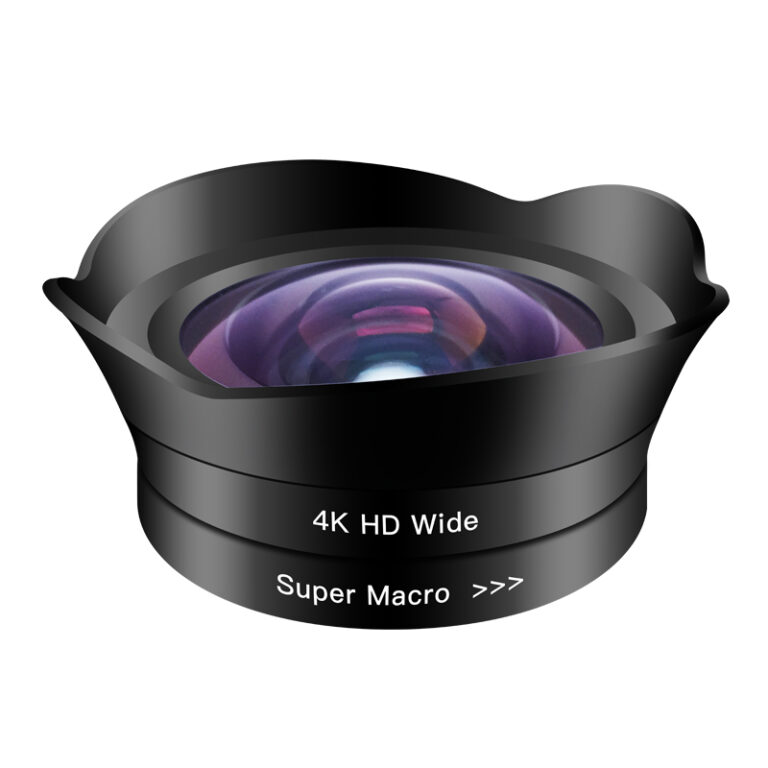
The Apexel macro lens isn’t just an accessory. It’s a precision optical tool. Most creators struggle with the limitations of built-in smartphone sensors when shooting close-ups. This lens changes the game by using multi-element optical glass. You get superior clarity that cheap plastic lenses simply can’t match. It delivers a true 1:1 reproduction ratio. This means your subject appears life-sized on your sensor. It’s the secret to mastering product photography with phone macro lens setups in 2026. You’ll capture every microscopic detail with ease.
Distortion ruins professional product shots. Apexel solves this with flat-field optics. This technology ensures sharpness from edge to edge. You won’t see the “barrel effect” where straight lines look curved. It makes your jewelry or tech shots look professional and accurate. The clip-on design is built for speed. You can deploy it in seconds during a busy shoot. No complicated rigs are required. It’s about efficiency and high-level results without the bulk of traditional camera gear.
Optical Glass vs. Plastic Lenses
Quality optics are non-negotiable for serious creators. Multi-coated glass prevents lens flare and ghosting. These are common issues that destroy image contrast and ruin your hard work. High-quality glass also ensures perfect color accuracy. You need your products to look exactly as they do in real life to reduce returns. Professional creators choose Apexel for this reliability. It’s a durable investment that outlasts generic alternatives. For more tips on professional standards, check out this product photography guide.
Compatibility and Mounting
Precision is everything in macro work. The universal clip system fits most modern smartphones. It works seamlessly with your iPhone’s primary camera sensor. Perfect alignment is the key to maximum sharpness. If the lens is off-center, you lose the fine details that sell products. For the best results, explore our curated iPhone macro photography accessories. This guide helps you build the ultimate mobile studio. You can find everything you need at doctorvideo.co.il to start shooting like a pro today.
Smartphone Macro vs. Digital Zoom: Why Optical Glass Wins
Stop relying on your phone’s digital zoom. It is the fastest way to degrade your brand’s visual quality. Digital zoom doesn’t actually bring you closer to the subject; it simply crops the existing image. This process discards valuable pixels and results in a soft, muddy look. When you invest in product photography with phone macro lens gear, you are choosing optical magnification. This method uses physical glass to project a larger image onto your sensor. You keep every bit of resolution your phone can offer. The result is a crisp, professional image that looks great even on large desktop screens.
Standard smartphone cameras have a physical limit called the “Minimum Focus Distance.” If you move too close, the lens cannot adjust, and your subject becomes a blur. This is why your phone fails when you try to capture the tiny hallmark on a ring or the texture of a skincare cream. A dedicated macro lens overcomes this barrier. It allows you to position your phone just centimeters from the product while maintaining perfect focus. This is essential for showcasing the fine details that justify a premium price point to your customers.
The Resolution Trap
Compare a 3x digital zoom to a 10X optical macro lens. The difference is staggering. Digital zoom creates “noise” and artifacts that ruin product textures. This is especially true in the indoor lighting setups common for small businesses. When you zoom digitally, the software tries to “guess” the missing details, which often leads to a plastic, unnatural appearance. Optical magnification is the only way to preserve the integrity of your sensor’s RAW data. By using real glass, you capture the true essence of your materials without the digital fuzz that screams amateur photography. Before committing to a specific attachment, reviewing a comprehensive guide to the best macro lens for smartphone setups in 2026 can help you select the right magnification and mounting system for your needs.
Mastering Depth of Field
Macro lenses excel at creating natural, creamy bokeh. Digital portrait modes often struggle with edge detection, leaving weird artifacts around your product. A physical lens uses a shallow depth of field to naturally blur out messy backgrounds. This effect makes your subject pop and gives your feed a high-end, cinematic feel. If you want to take these skills outside, learn more about smartphone lens for nature photography for similar depth control. For those shooting complex items, try focus stacking. This pro technique involves taking multiple shots at different focus points and merging them. It ensures your entire product stays sharp while the background remains beautifully soft, giving you total creative control over the final image.
The Ultimate Smartphone Product Photography Setup
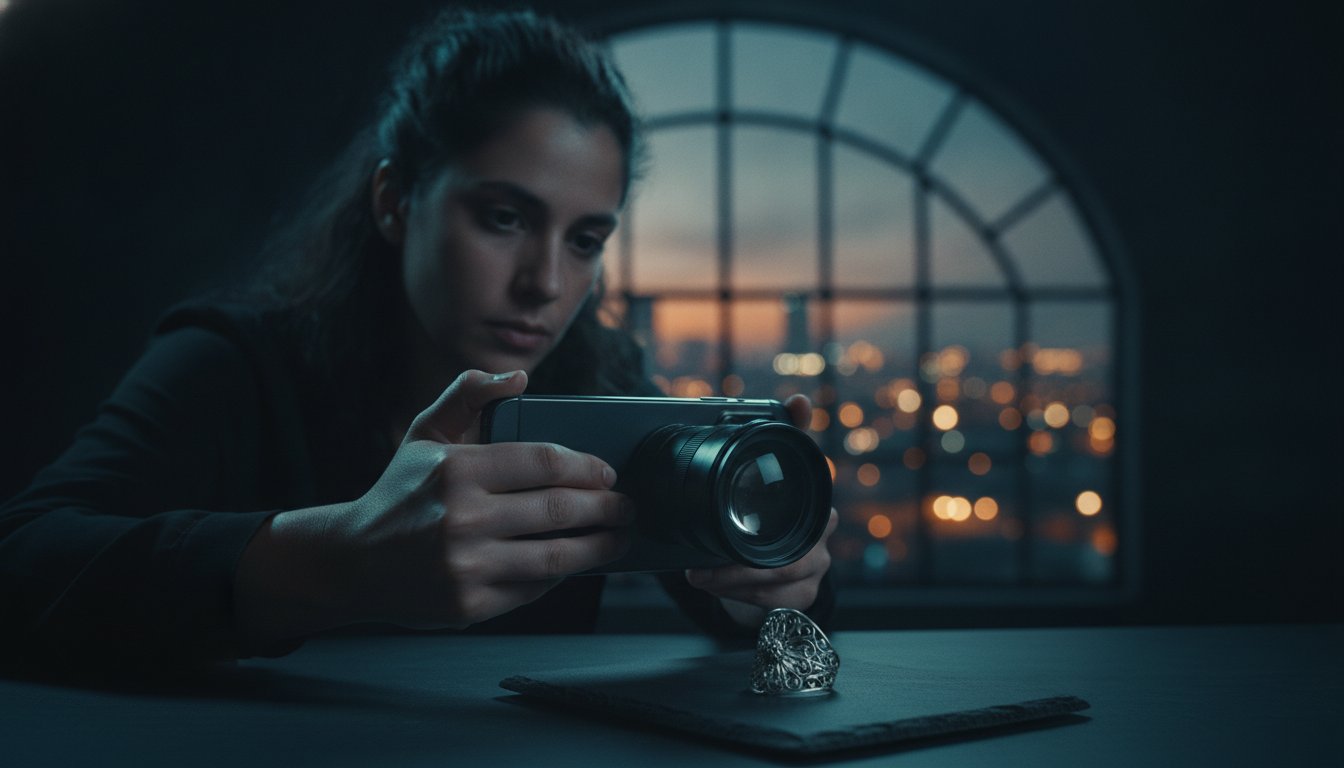
Gear is the engine, but your setup is the track. To succeed in product photography with phone macro lens work, you must eliminate movement. Stabilization is non-negotiable. At high magnification, even a heartbeat can cause motion blur. Use a sturdy tripod. It’s the only way to ensure your shots are tack-sharp every single time. Micro-jitters ruin high-end results. Don’t risk it. A stable base allows you to lower your ISO for cleaner, noise-free images.
Lighting makes or breaks the “premium” feel. Direct sunlight creates harsh shadows and blown-out highlights that hide your product’s best features. Soft, diffused light is your best friend. It wraps around the subject, revealing texture without distracting glares. This approach mimics a professional studio environment using nothing more than simple tools and your smartphone.
Lighting Your Subject
A light box provides a controlled environment with zero distractions. It’s the standard for clean eCommerce shots. If you prefer a budget-friendly route, window light on a cloudy day works wonders. Use white foam boards as bounce cards. These fill in dark shadows on the opposite side of your light source. This simple trick adds professional dimension to small items. For jewelry, you can take it a step further. Learn how to use a star filter on your phone to add a high-end sparkle to gems and metallic surfaces. It creates that “wow” factor instantly.
Advanced Staging Techniques
Perfection is in the details. In macro photography, a single dust mote looks like a boulder. Use a microfiber cloth and a dedicated cleaning spray before every shot. Details matter. Position your items with precision using museum putty or clear wax. These tools allow you to prop up rings or watches at dynamic angles that defy gravity. Stick to neutral surfaces like matte acrylic or stone to make your product’s colors pop. Follow the rule of thirds for lifestyle shots. Alternatively, try a centered “hero” shot. A perfectly symmetrical macro image commands attention on any social feed.
Consistency is the hallmark of a pro. Don’t let your phone’s “Auto” mode make decisions for you. Tap and hold the screen to lock your focus and exposure. This AE/AF Lock prevents the camera from hunting for focus between shots. It ensures your entire gallery has a uniform look. Ready to build your mobile studio? Explore pro-grade optics and accessories at doctorvideo.co.il to get started today.
Elevate Your Brand with LensLab Macro Gear
You have the techniques. You understand the lighting. Now, you need the glass that matches your ambition. LensLab provides the bridge between your creative vision and commercial-grade success. We curate professional bundles designed specifically for mobile-first creators. Our goal is simple. We want to make high-end results attainable for everyone. The 10X Macro Lens for Smartphones is the centerpiece of this mission. It allows you to master product photography with phone macro lens setups without the weight or cost of traditional camera systems.
Speed is the currency of the digital world. You can’t afford to wait weeks for gear while your competitors are posting. We offer fast worldwide shipping to ensure you can start shooting your next collection immediately. If you hit a technical snag, our team is ready. We provide 24/7 support from photography experts who actually understand your creative workflow. We aren’t just a retailer; we are your creative partner in every shoot.
Why Creators Trust LensLab
We focus on high-performance gear that fits in your pocket. Professionalism shouldn’t require a van full of equipment. We empower the next generation of entrepreneurs to build premium brands from their smartphones. Our philosophy is rooted in your success. We know that when your content goes viral, our tools have done their job. This commitment to quality and value is why thousands of creators choose us to elevate their visual storytelling.
Building Your Professional Kit
- Optics: Start with the 10X Macro Lens for Smartphones for unmatched detail.
- Light Control: Pair your lens with a 4-Pack ND Filter Set to manage exposure in challenging lighting.
- Clarity: Maintain your gear with specialized Lens Cleaning Spray to prevent smudges from ruining your shots.
- Style: Add a Star Filter for Smartphones to give your jewelry photography a signature sparkle.
A professional kit is more than just a single lens. It’s a system that gives you total control over every pixel. By combining macro glass with light-shaping tools, you create a versatile mobile studio that fits in your hand. This efficiency allows you to focus on what matters most: your creativity. Ready to transform your feed and increase your sales? Shop the Apexel Macro Collection and start building your professional mobile kit today at doctorvideo.co.il.
Transform Your Creative Vision into Commercial Success
You’ve mastered the art of revealing hidden textures and discovered why professional optical glass is the only way to preserve your phone’s full resolution. High-converting imagery no longer requires a bulky camera setup. It requires precision and the right optics. By mastering product photography with phone macro lens techniques, you’re building a tactile connection with your customers and eliminating the uncertainty that leads to returns. You now have the tools to make every detail count.
Join over 10,000 creators worldwide who have already transformed their mobile production. Our kits offer 10X optical magnification and are compatible with all major smartphone brands, ensuring you stay ahead of the curve. Upgrade your product shots with the Apexel Macro Lens Kit to start seeing the difference in your conversion rates immediately.
Your creative potential is limitless. You now have the reference guide to turn your smartphone into a commercial-grade powerhouse. Stop settling for images that are just okay. Start producing visuals that truly represent the quality of your work. We’re excited to see what you create next.
Frequently Asked Questions
Will the Apexel macro lens work with my iPhone 15 or 16 Pro Max?
Yes, the universal clip system is fully compatible with the latest iPhone 15 and 16 Pro Max models. You simply need to align the macro lens with the primary wide-angle camera sensor on your device. This setup ensures you utilize the phone’s most powerful sensor while benefiting from professional optical magnification. It’s a seamless way to upgrade your mobile studio instantly.
How do I stop my macro photos from being blurry?
Blurry images usually happen because of camera shake or a shifting focus point. Use a tripod to provide a rock-solid base and tap your screen to lock the focus on your subject. Because macro photography has an extremely shallow depth of field, even a tiny movement can ruin the shot. Bright, consistent lighting also helps by allowing your camera to use a faster shutter speed.
Do I need a special app to use a macro lens on my phone?
You don’t need a special app to start shooting. Your phone’s native camera app works perfectly with external optics. However, using a third-party app with manual focus controls can give you more precision during product photography with phone macro lens sessions. Manual control allows you to pinpoint the exact texture or detail you want to highlight without the autofocus “hunting” for the subject.
What is the difference between a 10x and 20x macro lens?
A 10x macro lens is the professional standard for most products because it offers a balance of magnification and a workable field of view. A 20x lens provides much higher magnification for microscopic details but has a very tight focus range. For jewelry or electronics, 10x is usually preferred. It allows you to showcase the product’s craftsmanship while maintaining enough context for the buyer.
Can I use a macro lens for video as well as photography?
Yes, macro lenses are incredible tools for creating cinematic product videos. They allow you to capture stunning slow-motion b-roll of textures, liquids, or moving parts. To get the best results, use a slider or a gimbal to keep your movements smooth. High-magnification video reveals a level of detail that standard smartphone lenses simply cannot reach, making your content feel much more premium.
How close do I need to be to the subject with a macro lens?
Most 10x macro lenses have a focal distance of approximately 1 to 3 centimeters. You need to be physically close to the item to achieve the 1:1 magnification ratio that defines professional macro work. If you are too far away, the image will be blurry. This close proximity is exactly why specialized lighting, like a light box or bounce cards, is essential to avoid casting shadows with your phone.
Is a tripod required for smartphone macro photography?
A tripod is highly recommended for anyone serious about product photography with phone macro lens results. While you can take handheld shots in bright light, a tripod ensures every pixel is tack-sharp. It also allows you to use advanced techniques like focus stacking or long exposures. Having a fixed camera position makes it much easier to style your products and maintain a consistent look across your entire catalog.