How to Use a Smartphone Lens for Nature Photography: A Pro Creator’s Guide
Why does a breathtaking sunset over the Negev or a delicate blossom in the Galilee often look so flat on your screen? You’ve likely felt the frustration of a perfect moment ruined by grainy digital zoom or a washed-out, overexposed sky. It’s a common struggle for creators who want to capture the raw beauty of the outdoors without lugging around heavy, expensive gear. You know your phone should be able to do more, but the standard hardware often hits a wall when faced with the vastness of nature.
The good news is that your mobile device is more powerful than you think. This guide teaches you how to master a smartphone lens for nature photography to achieve professional results every time you step outside. You’ll learn how to get razor-sharp macro shots of tiny details and capture expansive landscapes with zero distortion. We’ll cover the expert field techniques and high-performance optics needed to create cinematic nature content for your social media. It’s time to stop settling for blurry snapshots and start producing gallery-quality captures that truly reflect your creative vision.
Key Takeaways
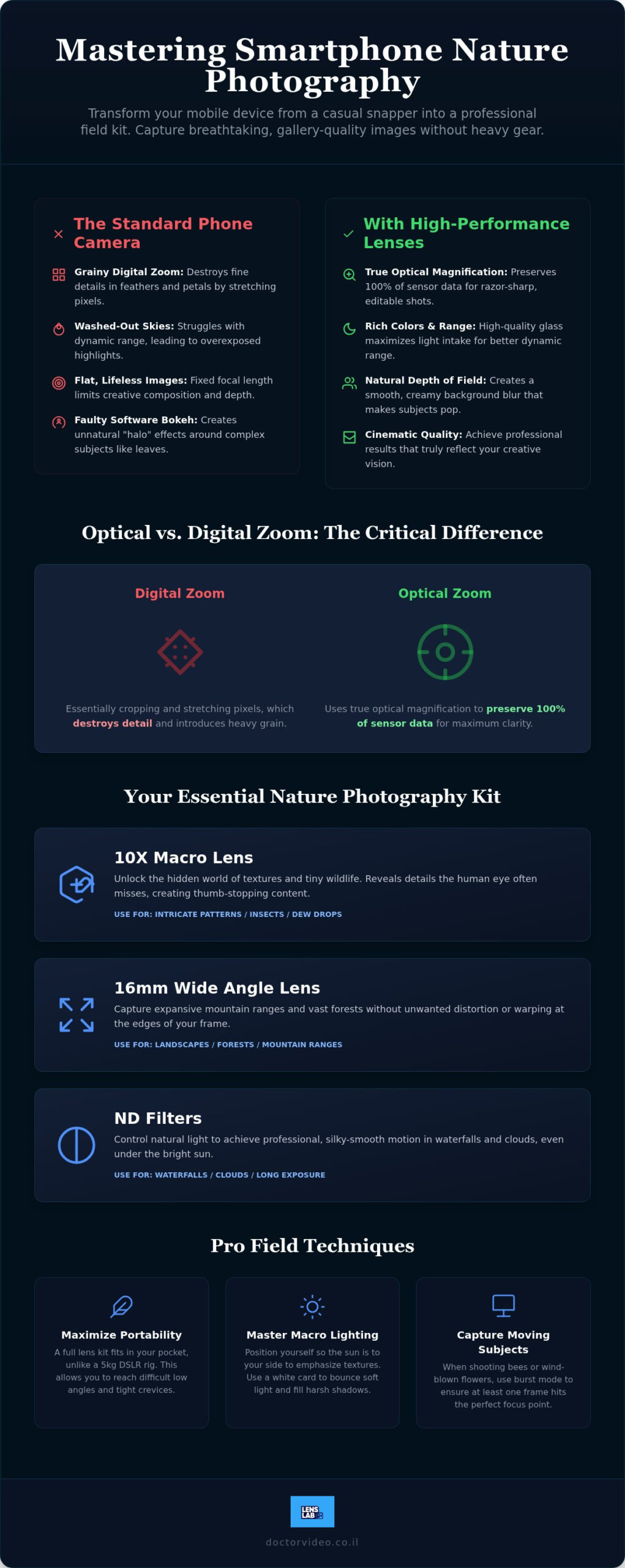
- Eliminate digital grain and pixelation by using true optical magnification instead of digital zoom.
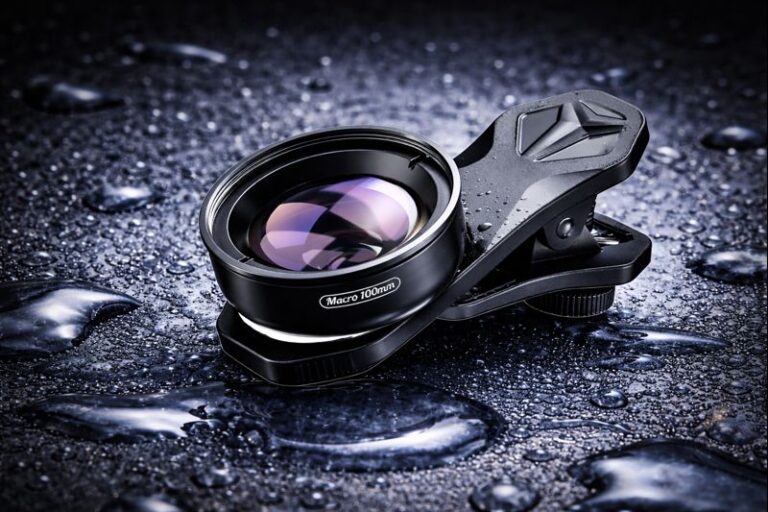
- Unlock the hidden world of textures and tiny wildlife with a high-performance 10X Macro lens.
- Capture expansive mountain ranges and forests with a 16mm Wide Angle lens that avoids unwanted distortion.
- Apply ND filters to achieve professional, silky-smooth motion in waterfalls and clouds under the bright sun.
- Master the field techniques needed to get the most out of your smartphone lens for nature photography on every trek.
Why Smartphone Lenses are Essential for Nature Photography
Nature moves fast. A rare bird or a blooming wildflower won’t wait for you to swap out bulky DSLR lenses. While the history of the camera phone shows massive leaps in sensor technology, the fixed focal length remains a bottleneck. You can’t change the laws of physics with software alone. To capture professional-grade shots, you need a high-performance smartphone lens for nature photography. This gear transforms your mobile device from a casual snapper into a versatile multi-lens field kit ready for any environment.
Optical vs. Digital Zoom in the Wild
Digital zoom is deceptive. It’s essentially just cropping an image and stretching the remaining pixels. This process destroys fine detail and introduces heavy grain. In nature, where textures like feathers, bark, and petals are the stars, digital zoom is a dealbreaker. Using true optical magnification allows you to preserve every bit of sensor data. This is vital if you plan to edit your shots later. High-quality external glass also maintains maximum light intake. You get richer colors and better dynamic range even when the sun begins to set over distant mountain ranges or vast desert landscapes.
The Portability Advantage for Creators
Weight matters when you’re trekking through rugged mountain terrain or navigating dense, humid forest trails. A professional DSLR kit with multiple lenses can easily weigh over five kilograms. A full set of mobile lenses fits in your pocket. This lightness allows you to reach difficult angles that a heavy rig simply can’t manage. You can get right down to ground level for low-angle forest floor shots or squeeze into tight rock crevices. Your phone is already with you. With a quick-attach 16mm Wide Angle or 10X Macro lens, you’re always ready for those fleeting moments that define great nature photography.
Beyond zoom, software-based bokeh often fails in complex natural scenes. It struggles to map the edges of thin branches or delicate insect legs, creating a “halo” effect. Dedicated optics provide a natural depth of field that software cannot replicate. You get a smooth, creamy background blur that makes your subject stand out with professional clarity. This isn’t a digital trick; it’s the result of light passing through precision-engineered glass. By using a smartphone lens for nature photography, you bridge the gap between amateur mobile shots and professional field work without the heavy investment in traditional camera bodies.
Master the Micro World: Using Macro Lenses for Nature Details
Nature is full of tiny masterpieces that most people walk past without a second glance. You don’t have to be one of them. With a high-performance smartphone lens for nature photography, you can reveal details that the human eye often misses. Think of the intricate, geometric patterns on a butterfly’s wing or the crystalline structure of morning dew on a leaf. These high-impact shots do more than just document nature. They create cinematic, thumb-stopping content for your social media feed that sets your work apart from the crowd.
Choosing the Right Macro Magnification
Many modern phones now include a built-in “macro mode.” These software-driven features often rely on cropping the image or using inferior wide-angle sensors that cause distortion. For professional results, a dedicated 10X Macro Lens is the gold standard. It provides true optical magnification across the entire frame. You get edge-to-edge sharpness and a natural depth of field that software can’t touch. This magnification level is perfect for capturing the anatomy of flowers or the textures of moss in the Galilee forests. When shooting moving subjects like bees or wind-blown petals, use burst mode to ensure at least one frame hits the perfect focus point. You can find more smartphone nature photography tips to help you master these tricky field conditions.
A 10X lens requires a very precise focal distance, typically between one and three centimeters from your subject, to achieve a sharp image. The same close-up optical precision that reveals nature’s hidden details is also what makes product photography with phone macro lens attachments so effective for capturing fine textures and intricate craftsmanship in a commercial setting.
Lighting for Macro Photography
Lighting is your biggest challenge when working at such close range. Because you are physically near your subject, your phone can easily cast a dark shadow over the scene. Position yourself so the sun is to your side rather than directly behind you. This side-lighting emphasizes textures and creates a sense of three-dimensional depth. If the shadows are too harsh, use a simple white card or a piece of paper as a natural reflector. This bounces soft light back into the dark areas of an insect or a flower’s center. It’s a quick, low-cost way to achieve studio-quality results in the middle of a hike.
Capturing the micro world doesn’t require a heavy gear bag. It just requires the right glass and a bit of patience. If you want to start revealing the hidden beauty of the Israeli landscape, consider adding a pro-grade macro lens to your mobile kit today. You will be amazed at what has been hiding in plain sight.
Capturing the Vastness: Wide-Angle and Telephoto Lenses
Nature photography isn’t just about the small details. Sometimes you need to capture the sheer scale of a desert canyon or the dense canopy of a northern forest. A high-quality smartphone lens for nature photography allows you to expand your field of view without sacrificing image quality. High-performance glass ensures that straight lines stay straight, avoiding the “fisheye” distortion often found in cheap, plastic alternatives. Whether you are standing on the edge of the Mitzpe Ramon crater or deep in the woods of the Galilee, the right optics make the difference between a cramped snapshot and an epic landscape.
Landscape Mastery with 16mm Optics
A 16mm Wide Angle lens is your best tool for adding a sense of scale. It pulls more of the scene into the frame, making mountain ranges look as vast as they feel in person. To make these shots truly professional, always look for foreground interest. A weathered rock or a patch of desert scrub in the lower third of your frame provides a sense of depth. This technique leads the viewer’s eye into the distance. For a different perspective, point your 16mm lens straight up in a dense forest. Capturing the way the trees meet the sky creates a powerful, immersive image that standard phone lenses simply can’t match.
Wildlife from a Distance
Getting close to wildlife is often dangerous or unethical. Respectful creators use telephoto attachments to bridge the gap. This keeps you safe and ensures animals don’t feel threatened in their natural habitat. Long focal lengths are sensitive to movement, so stabilization is key. Use a small tripod or rest your phone on a stable rock to keep your shots crisp. When a Nubian ibex or a gazelle starts to move, switch to burst mode. This allows you to capture a sequence of high-speed actions, giving you the best chance of landing that one perfect, cinematic frame. Stay hidden, stay quiet, and let the glass do the work.
Composition is the final piece of the puzzle. Use the rule of thirds to balance your vast landscapes. Instead of placing the horizon in the center, move it to the top or bottom third of the frame. This simple shift creates a more dynamic and engaging photo. Master these tools, and you will turn every hike into a professional production.
Controlling the Elements: Using Filters for Natural Light
Great lighting is the soul of every masterpiece. In the field, you often face harsh glare or flat, uninspiring skies. A professional smartphone lens for nature photography reaches its full potential when paired with high-quality filters. These tools allow you to manipulate light before it ever hits your sensor. They provide a level of creative control that post-processing apps simply cannot replicate. Beyond the art, filters act as a physical shield. They protect your primary glass from the fine dust of the Arava or the salt spray of the Mediterranean coast. Keeping your optics clean is half the battle in rugged terrain.
Mastering Water and Sky with ND Filters
Capture the motion of a rushing stream in the Banias with cinematic precision. To get that silky-smooth water effect, you must slow down your shutter speed. This is known as the “shutter speed rule” for motion. In bright daylight, a slow shutter usually results in a completely white, overexposed image. ND filters act like sunglasses for your camera. They reduce the amount of light entering the lens without changing its color. This allows for longer exposures that turn moving clouds and waterfalls into ethereal streaks of motion. Use magnetic mounts to swap filter strengths in seconds as the light shifts during golden hour. This efficiency ensures you never miss a fleeting moment of perfect light.
Special Effects for Nature Highlights
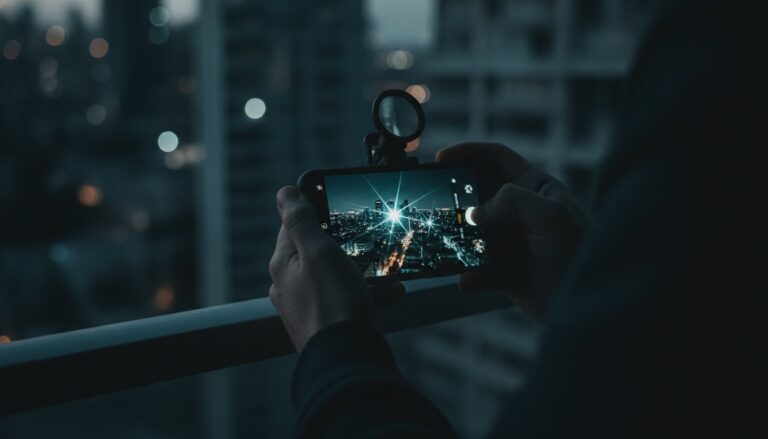
Transform ordinary highlights into extraordinary features. A Star filter is a powerful tool for morning shoots. It turns the glisten of dew on a spiderweb or the sun’s reflection on the Sea of Galilee into brilliant, multi-pointed stars. If you want to master this technique, learning how to use a star filter on your phone with precision optical glass will take your nature highlights to a cinematic level. This adds a magical, high-end feel to your content. For those seeking a truly cinematic look, an anamorphic lens adds horizontal blue flares that scream “big-budget production.” These effects are physical, not digital. This means you maintain perfect color accuracy and sharpness across the entire frame. Polarized filters are also essential for managing the harsh midday sun. They cut through reflections on water and make the greens of the forest pop. Don’t let the environment dictate your results. Take charge of the light and shop professional filter sets to elevate your smartphone lens for nature photography kit today.
Step-by-Step Guide to Your First Pro Nature Shoot
You’ve mastered the theory behind optics and light. Now it’s time to put that knowledge into practice. Transitioning from a casual hiker to a serious creator requires a structured workflow. Building a mobile kit around a high-performance smartphone lens for nature photography is just the beginning. The real magic happens when you combine that gear with a disciplined approach to the field. This guide ensures you’re prepared for the unpredictable beauty of the Israeli wilderness, from the lush Galilee to the arid Negev.
Preparation and Gear Maintenance
Professional results start at home. Organize your lens kit so every piece of glass is accessible in seconds. Fleeting moments like a bird taking flight don’t wait for you to dig through a messy bag. A premium Lens Cleaning Spray is non-negotiable for outdoor shoots. Dust from a Hamsin wind or smudges from your fingers will ruin a high-resolution shot. Wipe your optics before every session. Check your battery levels and clear your storage space before you head into remote areas. Nothing kills a creative flow faster than a “storage full” notification right as the sun hits the horizon.
Composition and Stability Techniques
Sharpness is the hallmark of a pro. Even the best lens can’t fix a shaky hand. Use a compact tripod for long exposures or find a natural anchor like a steady rock or a sturdy tree branch. Once your phone is stable, take control of the software. Setting your focus and exposure lock is vital for consistent results in changing light. Tap and hold on the most important part of your scene to engage the AE/AF lock, ensuring your light doesn’t shift as the wind moves through the trees. This simple step prevents the camera from hunting for focus during a critical shot.
- Scout the light: Arrive early to understand how shadows fall across the terrain.
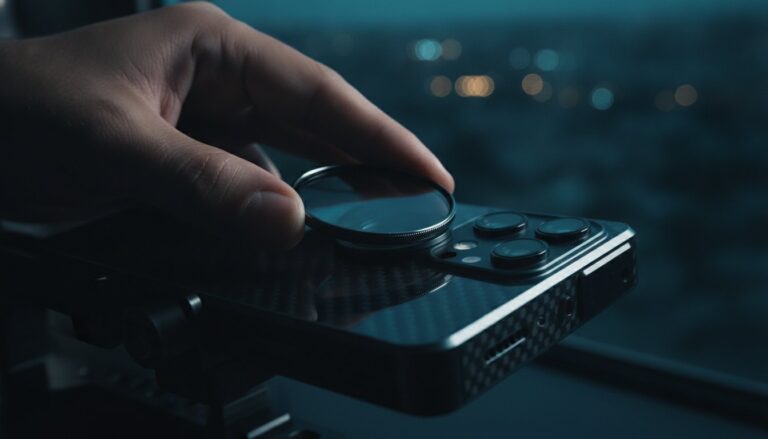
- Use Magnetic Mounts: Deploy a JJC Magnetic Lens Filter Mount Adapter for iPhone to swap filters instantly.
- Check your edges: Ensure no stray branches or gear parts are creeping into your wide-angle frame.
Ready to Elevate Your Nature Shots?
You are no longer limited by the basic hardware in your pocket. By using dedicated optics and professional field techniques, you’ve transformed your mobile device into a powerful creative tool. Don’t be afraid to experiment. Swap your 16mm Wide Angle for a 10X Macro and see how the same location offers a completely different story. Every trail is an opportunity to refine your vision and capture the world in stunning detail. It’s time to stop dreaming about pro-grade content and start creating it. Upgrade your nature photography kit at LensLab today!
Take Your Creative Vision Into the Wild
You now have the roadmap to transform your mobile device into a high-performance field camera. Optical magnification beats digital zoom every time, preserving the fine textures of the Israeli landscape from the Galilee to the Red Sea. Whether you are revealing the micro-world with a macro lens or mastering the blue hour with ND filters, professional-grade results are now within your reach. You’ve learned that the right gear removes technical barriers, allowing your artistic vision to take center stage.
Investing in a high-quality smartphone lens for nature photography is the single most effective way to elevate your visual storytelling. Our optics are compatible with the latest iPhone and Android models, ensuring you stay at the cutting edge of mobile production. We provide 24/7 Creator support and fast worldwide shipping so you can gear up for your next adventure with total confidence. Professional results aren’t reserved for those with heavy backpacks; they belong to those with the right tools and the passion to use them.
Explore Pro Smartphone Lenses for Nature Photography
Nature is waiting for you to tell its story. Grab your kit, hit the trails, and start creating content that inspires. Your journey as a professional mobile creator starts now.
Frequently Asked Questions
Do smartphone lenses really improve photo quality for nature photography?
Yes, a dedicated smartphone lens for nature photography provides true optical magnification rather than digital cropping. Built-in digital zoom just stretches your existing pixels, which leads to heavy grain and lost detail. External glass allows you to capture raw textures like feathers or bark with professional clarity. It is the most effective way to turn a standard mobile shot into a gallery-ready capture.
Which lens is best for taking pictures of birds with a phone?
A telephoto lens is the ideal choice for bird photography. It allows you to zoom in on distant subjects while maintaining a respectful, ethical distance. This ensures you don’t startle the birds or disturb their natural habitat. Combine this with burst mode to capture a sharp profile or the perfect moment of flight among the trees.
How do I attach an external lens to my iPhone or Android device?
Most professional lenses attach using secure clips or advanced magnetic mounts. For iPhone users, the JJC Magnetic Lens Filter Mount Adapter offers a seamless and stable connection for filters. Simply align the lens with your phone’s primary camera and secure the mount. Always check your camera app to ensure the lens is centered and there are no dark corners in your frame.
Can I use ND filters on my smartphone for landscape shots?
You can and should use ND filters to achieve professional landscape results. These filters act like sunglasses for your camera, reducing light intake so you can use longer shutter speeds in bright daylight. This technique creates silky-smooth waterfalls and streaking clouds. Using a 4-Pack ND Filter Set gives you the flexibility to handle the intense Israeli sun at any hour.
What is the best macro lens for smartphone insect photography?
A 10X Macro lens is an essential smartphone lens for nature photography when capturing tiny insects. It provides extreme magnification that reveals intricate details invisible to the naked eye. This lens requires a very close focal distance, so move slowly and with patience. The resulting images feature a natural, shallow depth of field that makes your subject stand out perfectly. The same technique is equally powerful when applied to product photography with phone macro lens setups, where capturing fine details and textures is critical for commercial-grade results.
Will these lenses work with my phone case on?
Compatibility depends on the thickness and design of your specific case. Thin cases usually work well with clip-on systems, but thicker, rugged cases can cause misalignment or blurriness. For the best optical results, use a case designed for lens attachments or remove your case before the shoot. This ensures the external glass sits flush against your phone’s camera for maximum sharpness.
How do I prevent blurry photos when using a telephoto smartphone lens?
Stability is the most important factor when working with long focal lengths. Even tiny vibrations are magnified by the lens, leading to soft images. Use a compact tripod or lean your phone against a stable rock or tree. Activating your camera’s self-timer or using a remote shutter prevents the shake that happens when you tap the screen to take the photo.
Are clip-on lenses safe for my phone camera glass?
High-quality lenses are designed with soft rubber or silicone padding to protect your device from scratches. They are perfectly safe for your camera glass when used correctly. Always use a Lens Cleaning Spray to remove grit from your phone’s lens before attaching the gear. This prevents tiny particles from being pressed into the surface during the mounting process.